Orlando Is Planning the Future of the Milk District — Residents Can Help Shape It
Orlando Is Planning the Future of the Milk District — And Residents Get a Say This Month
The city has launched a new vision plan for one of Orlando’s most distinctive neighborhoods. The process could eventually influence development, sidewalks, bike connections, transportation and redevelopment around Robinson Street, Bumby Avenue and Colonial Drive — and the first public workshop is September 16.
The Milk District is one of those Orlando neighborhoods that doesn’t feel as though somebody designed it all at once.
That’s part of its appeal.
There are old buildings next to newer ones.
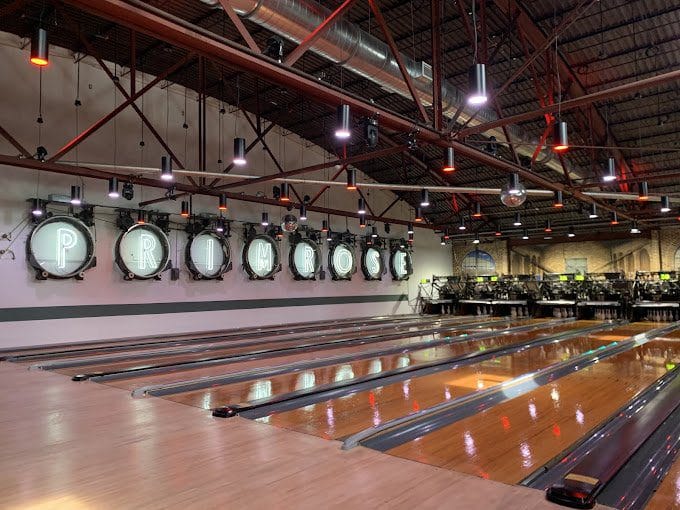
Independent restaurants.
Neighborhood bars.
Murals.
Music.
Small shops.
Homes.
Industrial properties.
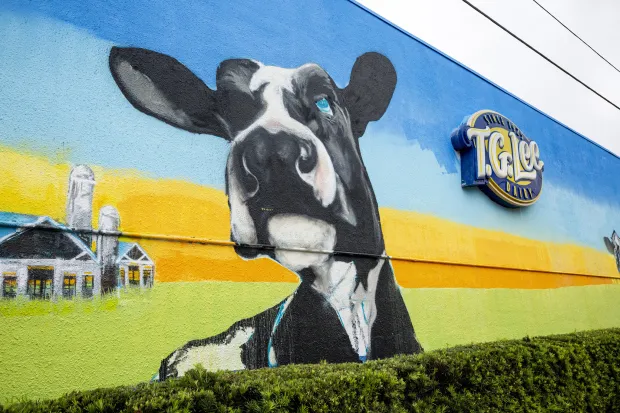
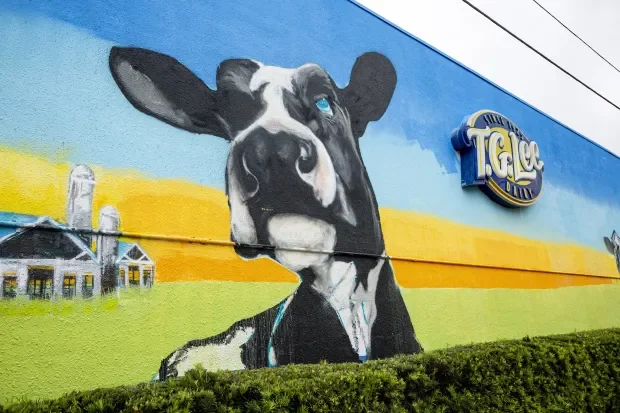
The T.G. Lee Dairy.
And the unmistakable neon sign of The Plaza Live.
The neighborhood’s somewhat improvised personality is exactly what many people like about it.
But development pressure is increasing across Orlando, and the Orlando city government has now started a formal planning process to answer a difficult question:
How does the Milk District grow without losing what makes the Milk District interesting?
In June, Orlando City Council approved a $174,960 contract with Inspire Placemaking Collective to develop a new Milk District Vision Plan. The approximately nine-month planning effort will examine future land use, redevelopment opportunities, infrastructure and transportation across a sizable area east of downtown. (Mast Newsroom)
Now comes the part residents should know about.
The city’s first public workshop is scheduled for Wednesday, September 16, from 6 to 7:30 p.m. (City of Orlando)
And this isn’t simply an informational presentation.
Orlando says residents will participate in interactive activities intended to help shape the plan. (City of Orlando)
The Plan Covers More Than the Restaurants Around Bumby
When most people say “Milk District,” they’re probably thinking about the businesses clustered around Bumby Avenue and Robinson Street.
The city’s study area is considerably larger.
It generally extends from Colonial Drive south to South Street and from Bumby Avenue east to Maguire Boulevard/Crystal Lake Drive. The study also extends west along Robinson Street to Ferncreek Avenue and east along Colonial Drive to Calvin Avenue. (City of Orlando)
That’s important because the neighborhood isn’t isolated.
What happens along Colonial Drive affects it.
What happens around Orlando Executive Airport affects it.
Changes to Robinson Street affect it.
And new residential development surrounding the commercial district changes how many people live within walking or biking distance of local businesses.
A useful neighborhood plan therefore has to look beyond individual storefronts.
Orlando Is Looking at Where Future Development Should Go
One of the most important parts of the study will be land use.
The planning team is expected to examine vacant and underused properties and develop conceptual scenarios showing how some of those properties could eventually be redeveloped. (Orlando Shine)
That doesn’t mean the city has decided what will be built on those properties.
It means Orlando is trying to establish rules and priorities before redevelopment proposals arrive.
That’s generally preferable to planning one project at a time.
The final recommendations could eventually influence Orlando’s Growth Management Plan and Land Development Code, meaning the work residents participate in now could help guide future zoning and development decisions. (Orlando Shine)
The Big Question Is Density
This will probably become one of the more interesting conversations.
The city has previously identified portions of Colonialtown South and the Milk District as appropriate for more mixed-use development, supported by connected streets and transportation options. (City of Orlando)
More people living near neighborhood businesses can be beneficial.
Restaurants get more customers.
Small shops gain foot traffic.
People can potentially walk or bicycle instead of driving.
Housing near downtown can put residents closer to jobs.
But density has consequences too.
Traffic.
Parking pressure.
Building height.
Infrastructure demand.
And potentially the loss of older properties that help give a neighborhood its character.
The goal shouldn’t simply be more development.
It should be figuring out where additional development makes sense and what it should look like.
That’s exactly the kind of question a neighborhood vision plan is supposed to address.
Walking and Biking Could Become a Major Part of the Conversation
The Milk District already has an unusual advantage.
Several recreational and bicycle connections are nearby.
The Lake Underhill Path runs through the area and connects parks including Lake Underhill Park, Festival Park and Colonel Joe Kittinger Park. Orlando’s planning materials have previously identified a roughly 2.5-mile park-to-park connection through this portion of the city. (City of Orlando)
The district has also promoted bicycle-friendly businesses and bike parking. (City of Orlando)
But having trails nearby isn’t the same thing as making every street pleasant to walk or bicycle along.
Bumby and Colonial can carry substantial automobile traffic.
Robinson Street is an important east-west connection.
And crossing major roads can be the point where an otherwise pleasant walk suddenly becomes uncomfortable.
The Milk District organization has said it wants the new plan to prioritize pedestrian and cyclist access and safety while preserving the neighborhood’s existing character. (Orlando Shine)
That’s encouraging.
Robinson Street Could Be Particularly Important
Pay attention to Robinson Street during this process.
The planning study doesn’t stop at Bumby. It specifically follows Robinson west toward Ferncreek Avenue. (City of Orlando)
The consultant’s scope also includes examining infrastructure needs and the possibility of establishing a transportation funding mechanism tied to future improvements along Robinson Street. (Orlando Shine)
That’s potentially significant.
Robinson connects the Milk District toward downtown and sits near several recreational and civic destinations.
Improving that corridor could make the neighborhood easier to reach without necessarily funneling every additional visitor into a parking lot.
Small Businesses Have a Lot at Stake
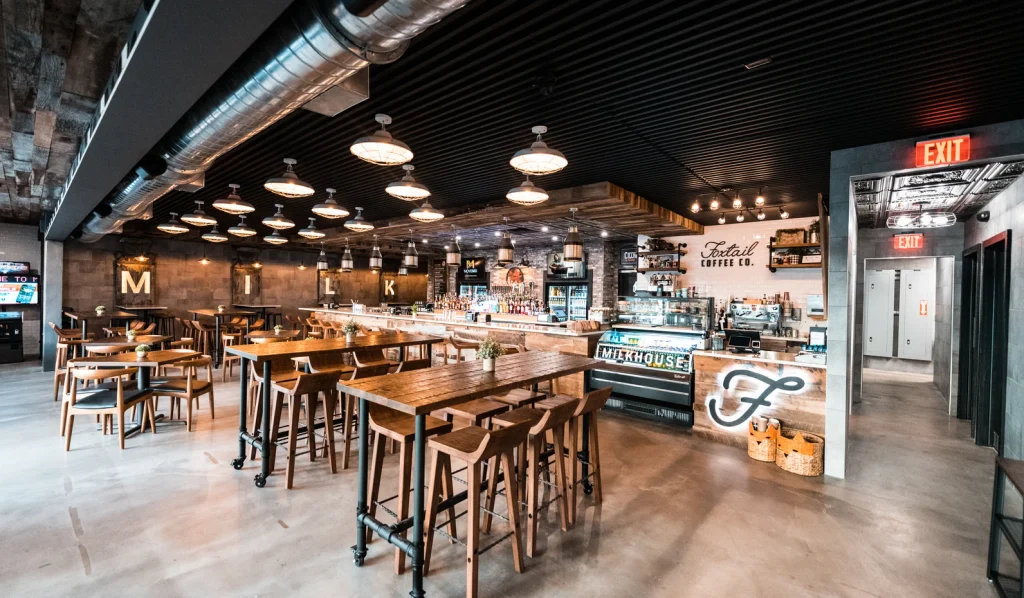
The The Milk District says its mission includes preserving and strengthening the area’s small-business community while supporting arts, culture and responsible development. (The Milk District)
That matters because successful neighborhoods sometimes become victims of their own success.
Independent businesses make an area interesting.
People start visiting.
More people want to live nearby.
Property values rise.
Developers become interested.
Rents increase.
And eventually some of the businesses that created the neighborhood’s appeal can struggle to remain there.
There isn’t a simple solution to that problem.
Preventing all development isn’t realistic.
Allowing completely uncontrolled development isn’t particularly wise either.
The challenge is finding a balance where investment improves the neighborhood without gradually turning it into something indistinguishable from every other commercial district.
The Milk District Has Already Changed Considerably
The neighborhood officially joined Orlando’s Main Streets program about a decade ago.
This year, Mayor Buddy Dyer noted that the Milk District is celebrating its 10th year in the Main Streets program, part of a citywide network where approximately 3,000 businesses have opened over the program’s 18-year history. (City of Orlando)
The Milk District itself has become a regional destination for food, music and independent businesses.
Milk Mart, which began with only about 20 vendors in 2016, celebrated its tenth anniversary this year with more than 300 artists, food vendors and participating businesses. (Orlando Shine)
That’s substantial growth.
And it’s precisely why planning for what happens next makes sense.
This Isn’t a Finished Plan
This distinction is important.
Orlando has not unveiled a completed Milk District redevelopment plan.
There isn’t a map showing where new apartment buildings will definitely go.
There isn’t a final list of road projects.
There isn’t a construction schedule.
The city is at the beginning of the process.
The September 16 meeting is the first community workshop. (City of Orlando)
The planning process is expected to include workshops, surveys and neighborhood meetings before recommendations are finalized. The resulting plan is expected to eventually go before Orlando’s Municipal Planning Board. (Orlando Shine)
That’s why participating now matters more than complaining about a finished plan later.
How to Participate
The first Milk District Vision Plan community meeting is:
Wednesday, September 16, 2026
6:00–7:30 p.m.
The meeting will be held at the Orlando Executive Airport Administration Office.
Admission is free.
The city says attendees will learn about the planning project, discuss opportunities and challenges and participate in hands-on activities intended to help define the district’s future. (City of Orlando)
City of Orlando Milk District Vision Plan meeting information
What Would We Like to See?
There are a few principles worth keeping in mind as this process moves forward.
Protect the independent-business character that makes the Milk District worth visiting in the first place.
Make it safer and easier to walk and bicycle.
Improve connections to nearby parks and trails.
Allow additional housing where the infrastructure can support it.
Encourage redevelopment of genuinely underused properties before replacing functioning neighborhood businesses.
Add trees, shade and comfortable sidewalks wherever possible.
And make it easier for people to move through the district without requiring a car for every trip.
None of those ideas requires freezing the neighborhood in time.
Cities change.
Neighborhoods change.
The goal should be making sure the change produces a better neighborhood rather than simply a newer one.
This Is Local Government at the Stage Where Residents Can Actually Influence It
It’s easy to ignore planning meetings.
They don’t generate the excitement of a ribbon cutting.
There isn’t anything new to photograph.
And the results might not become visible for years.
But this is precisely when residents often have the greatest opportunity to influence what eventually gets built.
By the time construction equipment arrives, most of the important decisions have already been made.
The Milk District Vision Plan is still early enough that those decisions haven’t been made yet.
If you live in the neighborhood, own a business there, regularly visit it or simply care about how Orlando grows east of downtown, September 16 is an opportunity to participate before lines start appearing permanently on planning maps.
The Milk District has spent years becoming one of Orlando’s more distinctive neighborhoods.
Now the city is deciding how it should grow for the next generation.
The best outcome would be one where we can look back a decade from now and still recognize it.

Hector
Just a guy with a lot of thoughts on a lot different things. This site is where I can share some of those thoughts. I'm in Defense and Aerospace and we will leave it at that.


You May Also Like

Orlando Fall Festivals 2026: Pumpkin Patches, Food & Family Events
Orlando Farmers Markets 2026: Best Markets by Day & Location